Some papers you need for a tax return, some you need to keep safe for years, and some are only a risk once you are done with them. Here is what HMRC and ICO guidance says, in plain English.
AI-generated image, not a photograph of a real person or place.
Keep tax records long enough
Lock away ID documents
Shred what shows your details
A lighter, safer file box
THE SHORT ANSWER
Three piles, not one drawer.
Paperwork falls into a few groups. Each one gets a different kind of care.
KEEP
Tax records, long enough
If you file a Self Assessment return on time, HMRC says to keep records for at least 22 months after the end of that tax year, and longer if you are self-employed.
Pick a type of document to see what the guidance suggests. The bar shows how much care it needs.
Based on HMRC record-keeping guidance on GOV.UK and the ICO's identity theft advice. General information only, not tax or legal advice.
TWO NUMBERS WORTH KNOWING
How long is long enough?
Two record-keeping periods from HMRC, for returns sent on time.
22 months
Keep records after the tax year ends
For a return sent on or before the deadline, HMRC says keep records at least 22 months after the end of the tax year. A 2024 to 2025 return sent by 31 January 2026 means keeping them until at least the end of January 2027.
SELF ASSESSMENT · HMRC
5 years
Keep business records after the deadline
Self-employed people must keep records at least 5 years after the 31 January submission deadline. A 2022 to 2023 return sent by 31 January 2024 means keeping records until at least the end of January 2029.
SELF-EMPLOYED · HMRC
For returns sent after the deadline, GOV.UK gives different periods, such as at least 15 months after you sent the return. HMRC says there are no rules on how you keep records: paper, digital or software all count.
FOUR HABITS TO TRY
A file box that works for you.
None of this needs special equipment. A box, a few folders and a regular clear-out go a long way.
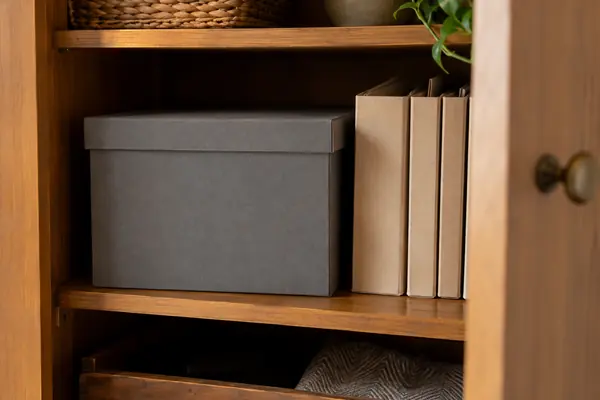
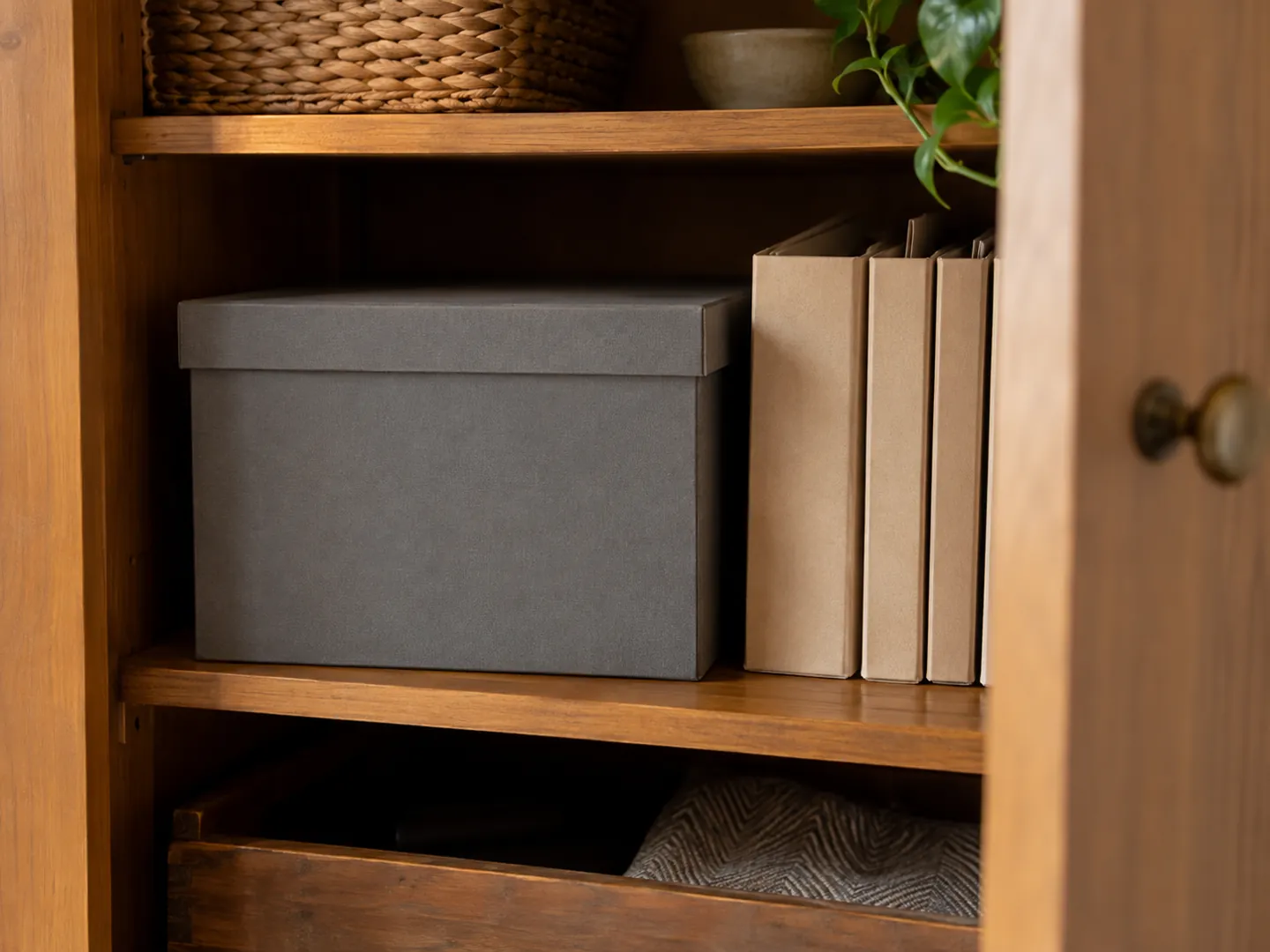
Give each tax year a folder
Keeping a year together makes it easy to see when its keep-until date has passed.
Write the keep-until date on it
Use HMRC's periods: at least 22 months after the tax year for most on-time returns, 5 years after the deadline if self-employed.
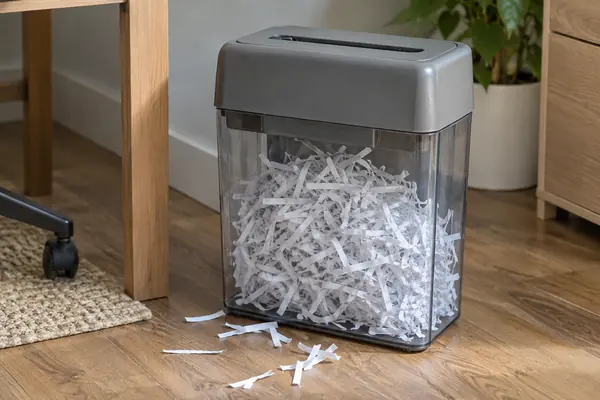
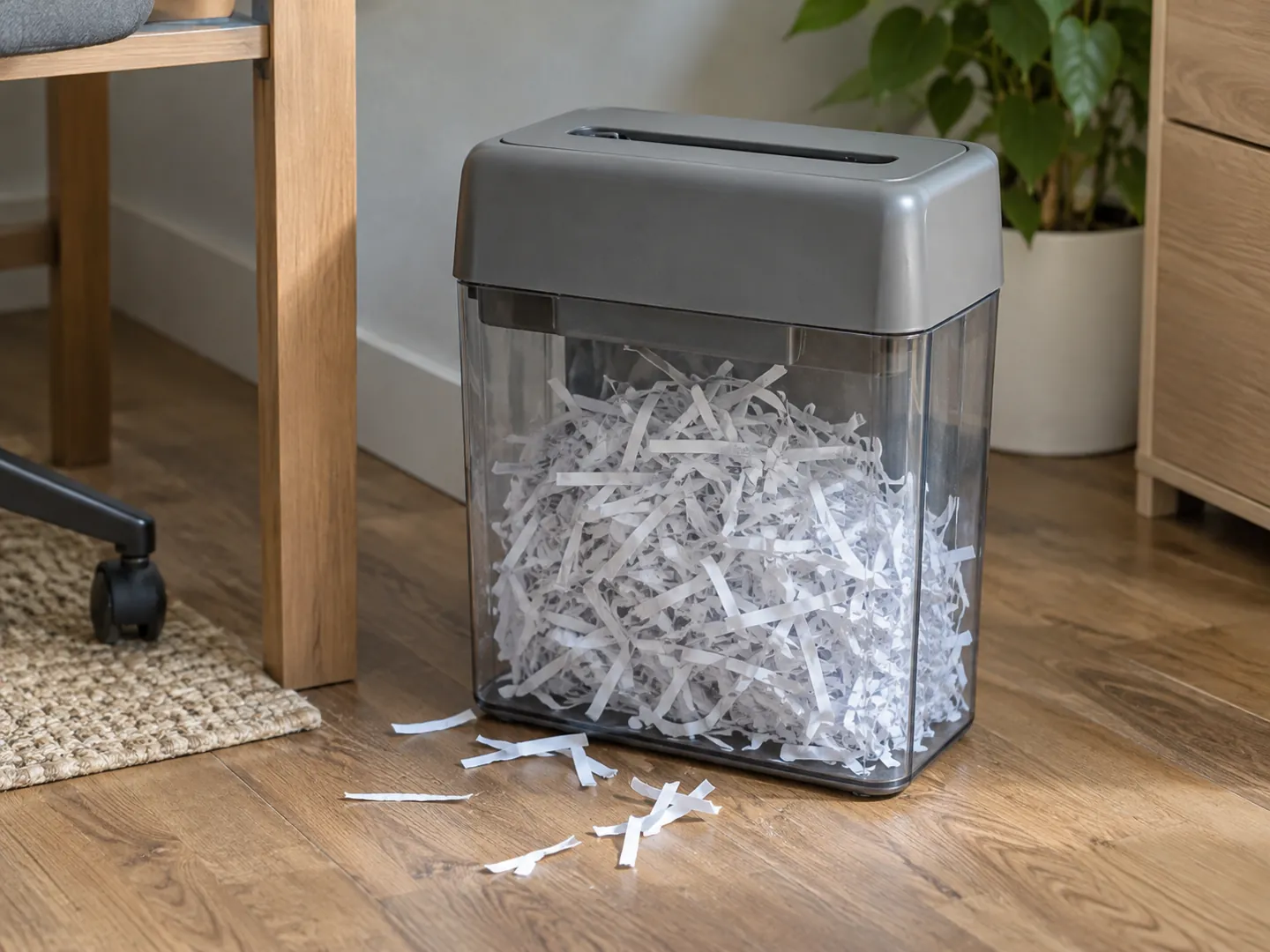
Shred, don't bin
Anything showing your name, address or other details should be shredded or destroyed when you no longer need it.
Keep ID apart
Store your passport and driving licence somewhere safe and secure, and know where they are.
AI-generated image, not a photograph of a real person or place.AI-generated image, not a photograph of a real person or place.
IF SOMETHING GOES MISSING
Act early, limit the damage.
The ICO lists signs of identity theft, including lost or stolen documents such as a passport or driving licence, bank or utility mail that stops arriving, and statement entries you do not recognise.
It advises reporting lost or stolen documents to the organisation that issued them, and GOV.UK says to cancel a lost or stolen passport as soon as possible. If tax records are lost, GOV.UK says to get copies where you can, such as statements from your bank.
Questions
Questions people ask
How long should I keep my tax records?
If you send a Self Assessment return on or before the deadline, GOV.UK says keep records for at least 22 months after the end of the tax year. If you are self-employed, keep business records at least 5 years after the 31 January deadline.
Which pay documents should I keep?
GOV.UK lists your P60, your P45 if you leave a job, form P11D for expenses and benefits, and information about any redundancy or termination payment, among others.
Do I have to keep paper copies?
No. HMRC says there are no rules on how you keep records: paper, digital or software are all fine, as long as records are accurate, complete and readable.
Should I shred old bank statements?
The ICO advises shredding or destroying old documents so that nothing showing your name, address or other personal details can be taken.
What if I lose my passport?
GOV.UK says to cancel a lost or stolen passport as soon as possible to reduce the risk of anyone else using it or your identity.